

Key Takeaways:
- What This Guide Covers: This guide breaks down what makes a sleep gummy truly great—from cannabinoid profiles to clean ingredients to third-party testing.
- Top Products Explained: We’ll cover the top-rated natural sleep gummies worth trying, including what’s actually in them and why they work.
- How to Choose Yours: You’ll learn how to find your perfect match based on your specific sleep struggles (because one size never fits all when it comes to rest).
It's 2:47 a.m.
You're lying in bed, staring at the ceiling, watching the numbers on your phone tick closer to the time you have to wake up. You've tried everything: deep breathing, counting sheep, listening to sleep sounds, scrolling TikTok (which definitely made it worse). Your body is exhausted. Your brain won't shut off. And you know tomorrow is going to be brutal.
Sound familiar?
If you've been stuck in the sleepless cycle—lying awake for hours, finally crashing at 4 a.m., then waking up groggy and wired at the same time—you're not alone. And you're definitely not broken.
Sleep isn't just about closing your eyes for eight hours. It's about your nervous system feeling safe enough to actually let go. And when stress, anxiety, chronic pain, hormonal shifts, or just the general chaos of life keep your system stuck in fight-or-flight mode, sleep becomes… elusive.
That's where the search for the best sleep gummies comes in. They've become the go-to solution for people who are tired of prescription sleep meds that leave them foggy, melatonin that makes them groggy, or just lying awake feeling helpless.
The right sleep gummy isn't a knockout pill. It's a tool—one that helps your body remember how to settle, how to rest, and how to wake up feeling like a human again instead of a zombie.
This guide breaks down everything: what makes a sleep gummy actually good, which natural options are worth trying, and how to find the one that fits your vibe (and your sleep struggles). Let's get you some rest.
What Makes A Sleep Gummy The Best
Not all sleep gummies are created equal. Some are basically candy with melatonin. Others are thoughtfully formulated with science-backed ingredients designed to support your body's natural sleep cycle.
Here's what separates the average from the exceptional:

Full-Spectrum Cannabinoids (CBD + CBN + THC)
The best sleep gummies use a blend of cannabinoids that work together to support relaxation and rest. Research shows that CBD helps calm the nervous system,1CBN (cannabinol) is known for its sedative properties,2 and microdosed THC (1-2mg) can help quiet racing thoughts without intoxication.3 When combined, they create what's called the "entourage effect"—where each cannabinoid amplifies the others for better results.
Clean, Functional Ingredients
Look for gummies made with real, recognizable ingredients—not synthetic additives, artificial dyes, or high-fructose corn syrup. The best formulas include calming botanicals like valerian root, chamomile, and sleep-supporting nutrients like GABA and magnesium.
Non-Habit-Forming Formulas
Unlike prescription sleep meds (which can create dependency) or high-dose melatonin (which can disrupt your natural sleep-wake cycle), the best sleep gummies are designed for regular use without building tolerance or dependency. They work with your body, not against it.
No Next-Day Grogginess
You know that feeling when you take a sleep aid and wake up feeling like you're moving through molasses? The best sleep gummies don't do that. They help you fall asleep and stay asleep, but they don't leave you foggy or groggy the next morning.
Third-Party Lab Testing
Transparency matters. The best brands provide Certificates of Analysis (COAs) that show exactly what's in their gummies—and what's not (like heavy metals, pesticides, or incorrect cannabinoid levels). If a brand won't show you their lab results, keep scrolling.
Top-Rated Sleep Gummies That Actually Help You Sleep
If you're looking for sleep gummies that meet all the criteria above—clean, cannabinoid-rich, flavor-forward, and backed by real results—here's what to look for:
Full-Spectrum CBD + CBN + THC Gummies
These are the gold standard for sleep support. They combine:
- CBD to calm your nervous system
- CBN for sedative, sleep-inducing effects
- Microdosed THC to quiet racing thoughts
- Botanicals like valerian root and chamomile for added relaxation
- GABA and magnesium to support your body's natural sleep chemistry
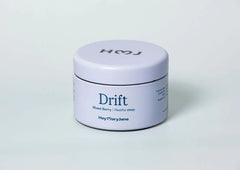
Why Drift hits differently:
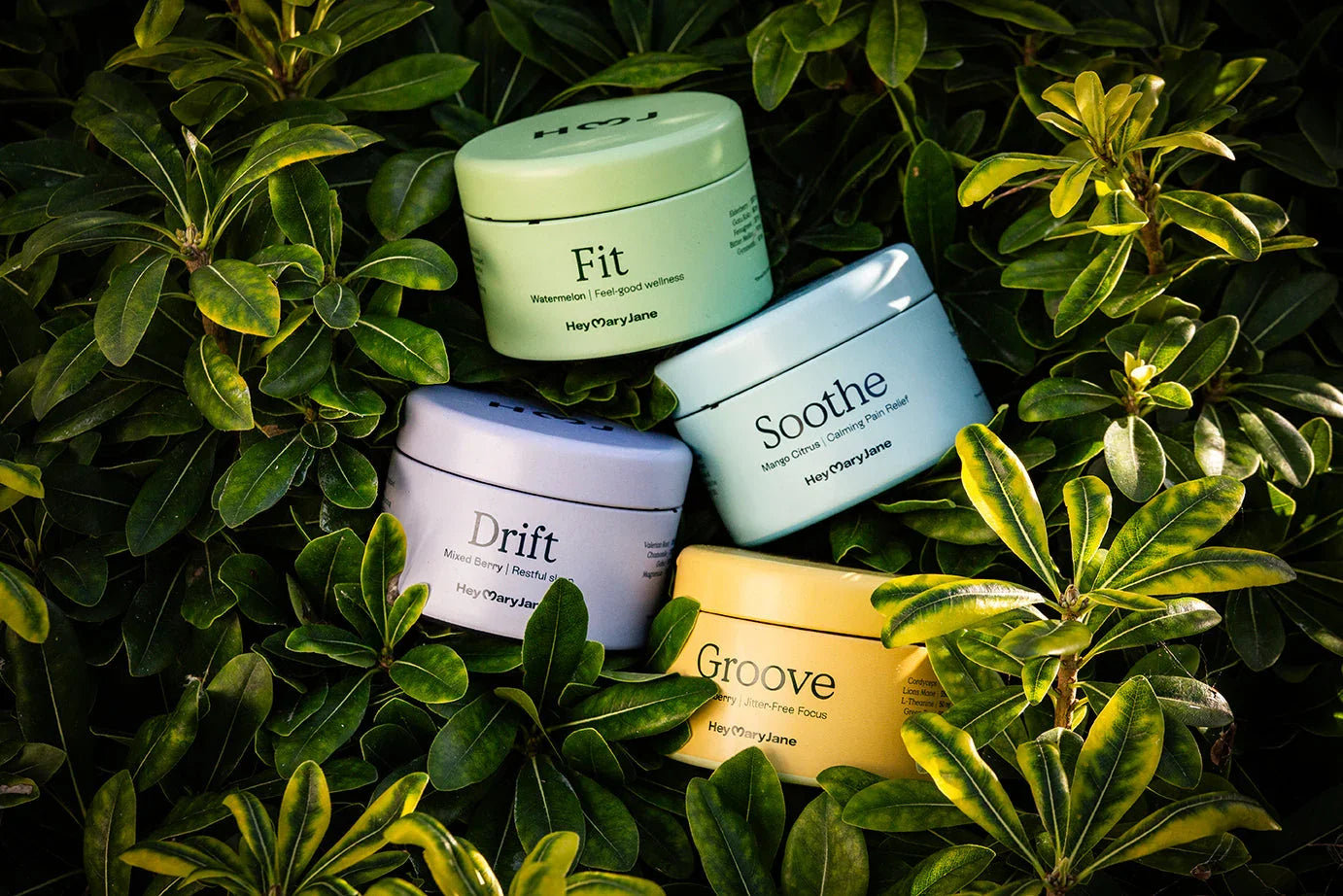
Drift combines 30mg full-spectrum CBD, 3mg CBN, 1mg THC, valerian root, chamomile, GABA, and magnesium in a single gummy designed to help you fall asleep faster, stay asleep longer, and wake up refreshed—not groggy.
It's melatonin-free (because melatonin can mess with your natural sleep cycle and leave you feeling foggy), non-habit-forming, and formulated specifically for people whose nervous systems won't let them rest. Whether you're an overthinker, a 3 a.m. waker-upper, or someone who just can't seem to turn off—Drift is designed for you.
Tiny dose. Big shift. Rooted in nature, backed by science.
CBD, CBN, And THC In Sleep Gummies Explained
Let's break down how each cannabinoid plays a role in better sleep, so you understand what you're chewing and why it works:
What CBD Does While You Sleep
CBD (cannabidiol) is a non-intoxicating cannabinoid that interacts with your endocannabinoid system (ECS) to support nervous system regulation and stress response.1
How it helps with sleep: CBD doesn't knock you out. Instead, it helps calm the background hum of anxiety, reduces physical tension, and signals to your nervous system that it's safe to relax. Research published in The Permanente Journal found that CBD improved sleep scores in 66.7% of participants within the first month.4
What it feels like: The mental noise quiets down. Your body softens. You're not suddenly sleepy—you just feel… ready to rest.
Why CBN Is Called The 'Sleepy Cannabinoid'
CBN (cannabinol) is a mildly psychoactive cannabinoid that forms when THC ages and oxidizes. It's known for its sedative properties and is often called "nature's Ambien" (but way gentler).2
How it helps with sleep: CBN appears to promote deeper, longer sleep by interacting with CB1 and CB2 receptors in your brain and immune system. Studies suggest it may extend sleep duration and reduce nighttime waking.5
What it feels like: You don't feel high. You just feel… sleepy. Like your body finally got the memo to power down. It's the difference between lying awake for hours and drifting off within 20 minutes.

THC In Microdoses: Chill Without The High
THC (tetrahydrocannabinol) at very low doses (1-2mg) can help quiet racing thoughts and ease you into sleep—without intoxication or impairment.3
How it helps with sleep: Microdosed THC activates your endocannabinoid system just enough to support dopamine release, reduce stress, and help your mind finally stop. Research shows that low-dose THC can reduce the time it takes to fall asleep without causing next-day grogginess.6
What it feels like: You're not high. You're not altered. You just feel… calm. Like someone turned down the volume on your internal monologue just enough to let you drift off.
Founder Note: During my worst Lyme flare-ups, my sleep was completely destroyed. I'd lie awake for hours, wired but exhausted, my brain spinning with anxiety even though my body was screaming for rest. Melatonin made me feel foggy and didn't actually help me stay asleep. Prescription sleep meds left me feeling disconnected and groggy. But when I started using full-spectrum CBD + CBN + microdosed THC together? My nervous system finally got the message. I could fall asleep. I could stay asleep. And I woke up feeling like a human instead of a zombie. That's why we made Drift.
Choosing The Right Sleep Gummy For Your Nightly Struggles
One size never fits all when it comes to sleep. Here's how to find your ideal gummy based on your specific struggles:
If You Can't Fall Asleep
Your issue: You're tired, but your brain won't shut off. You lie there for hours, tossing and turning, watching the clock.
What to look for: Fast-acting gummies with calming cannabinoids like CBD and CBN, plus botanicals like valerian root and chamomile. These help quiet mental noise and signal to your nervous system that it's time to rest.
Why it works: CBD calms anxiety, CBN promotes drowsiness, and botanicals like valerian have been used for centuries as natural sedatives.7
If You Wake Up At 3 AM
Your issue: You fall asleep fine, but you wake up in the middle of the night and can't get back to sleep.
What to look for: Gummies with CBN (for sustained sleep) and magnesium (to support relaxation and reduce nighttime waking).8
Why it works: CBN helps extend sleep duration, while magnesium regulates neurotransmitters involved in sleep and reduces muscle tension that can wake you up.
If Your Mind Won't Shut Off
Your issue: Your body is exhausted, but your brain is running a marathon. You're replaying conversations, making mental to-do lists, spiraling about things you can't control.
What to look for: Gummies with GABA, L-theanine, or microdosed THC. GABA is a neurotransmitter that inhibits brain activity and promotes relaxation.9 L-theanine increases alpha brain waves (calm, focused states). Microdosed THC quiets the mental loop.
Why it works: These ingredients work directly on your brain chemistry to reduce mental noise and help you actually let go.
If You're Sensitive To THC Or Melatonin
Your issue: You've tried THC and felt too high, or melatonin and woke up feeling groggy and awful.
What to look for:CBD + CBN gummies without THC, or formulas that are melatonin-free. Many people find that CBN alone is sedating enough without needing THC, and that melatonin-free formulas don't leave them with next-day fog.
Why it works: CBN is mildly psychoactive but not intoxicating. And skipping melatonin means you're working with your body's natural sleep-wake cycle instead of overriding it.
How To Use Sleep Gummies For The Best Results
Sleep gummies aren't a magic pill. They're a tool—and like any tool, they work best when used thoughtfully. Here's how to get the most out of them:
When To Take Your Sleep Gummy
Timing matters. Most sleep gummies take 30-60 minutes to kick in, depending on your metabolism and whether you've eaten recently.
Best practice: Take your gummy 30-45 minutes before you want to be asleep. That way, by the time you're ready to close your eyes, your body is already starting to relax.
Pair It With A Wind-Down Ritual
Sleep gummies work better when they're part of a calming bedtime routine, not a last-minute fix.
Try this:
- Dim the lights an hour before bed
- Put your phone away (or at least switch to night mode)
- Do something calming: stretch, journal, read, take a warm shower
- Take your sleep gummy
- Let your body ease into rest instead of forcing it
Why it works: Your nervous system responds to cues. When you create a consistent wind-down ritual, your brain learns to associate these actions with sleep—which makes falling asleep easier over time.
Start Low And Adjust
If your gummy contains THC (even microdosed), start with a half or a full gummy and see how you respond. Everyone's tolerance is different.
If you're new to cannabinoids: Start with the lowest dose, wait a few nights to see how you feel, then adjust if needed. You can always take more—you can't take less once you've already chewed it.
Consistency Is Key
Sleep gummies work better when used regularly, not just on the nights you're desperate. Your body responds to consistency.
Best practice: Use your sleep gummy nightly for at least a week or two to give your nervous system time to regulate. You'll notice better results over time as your body learns to settle more easily.

Final Thoughts
Here's the truth: the best sleep gummies aren't just about sleep. They're about creating a nightly ritual that feels good and fits your vibe.
Sleep isn't a luxury. It's not something you "earn" by being productive enough during the day. It's a biological necessity—and when your nervous system is dysregulated, stressed, or stuck in survival mode, rest becomes nearly impossible.
The right sleep gummy won't fix everything. It won't replace therapy, or a supportive mattress, or dealing with the root causes of your stress. But it can be the tool that helps your body remember how to let go, how to settle, and how to wake up feeling like yourself again.
Sleep gummies are for:
- The overthinkers who can't shut their brains off
- The people who wake up at 3 a.m. and lie there panicking about tomorrow
- The chronic illness warriors whose pain keeps them awake
- The burnt-out professionals running on fumes
- The parents who forgot what eight hours of sleep even feels like
- Anyone who's tired of being tired
Tiny dose. Big shift. Rooted in nature, backed by science.
Start with one gummy. Notice how you feel. Tune into your body's response. Give it time.
And remember: rest isn't weakness. It's how you rebuild.
Frequently Asked Questions About The Best Sleep Gummies
What should I look for in a high-quality sleep gummy?
Look for gummies with a full-spectrum cannabinoid profile (CBD + CBN + microdosed THC for synergy), clean ingredients (no artificial dyes, high-fructose corn syrup, or mystery fillers), calming botanicals (like valerian root and chamomile), and third-party lab testing (COAs available on request). Also check the flavor—if it tastes like hemp, you probably won't stick with it. The best sleep gummies taste good and feel like a treat, not a chore.
Are sleep gummies habit-forming?
Most natural sleep gummies are designed for regular use without dependency. Unlike prescription sleep meds (which can create tolerance and withdrawal), cannabinoid-based formulas like CBD + CBN work with your body's natural sleep mechanisms instead of overriding them. That said, always read the label and start slow. If you're using gummies with THC, be mindful of your tolerance—but at microdose levels (1-2mg), dependency is highly unlikely.
What's the difference between CBD, CBN, and THC in sleep gummies?
Here's the breakdown: CBD calms your nervous system and reduces anxiety, helping you relax but not necessarily making you sleepy. CBN is known for its sedative properties—it's the one that actually makes you drowsy and helps you stay asleep longer. Microdosed THC (1-2mg) quiets racing thoughts and helps ease you into sleep without intoxication. When combined, they create the "entourage effect"—where each cannabinoid amplifies the others for better sleep support.
How long before bed should I take a sleep gummy?
Most sleep gummies take 30-60 minutes to kick in, depending on your metabolism and whether you've eaten recently. A good rule of thumb: take your gummy 30-45 minutes before you want to actually be asleep. That way, by the time you're ready to close your eyes, your body is already starting to relax. If you wait until you're already lying in bed wide awake, you'll be staring at the ceiling for another half hour waiting for it to work.
Will I feel 'high' after taking a gummy with THC?
At microdose levels (1-2mg), most people don't feel high at all. You might feel calm, relaxed, and sleepy—but not intoxicated or altered. That said, everyone's tolerance is different. If you're new to THC or particularly sensitive, you might feel a slight shift in headspace (softer, quieter thoughts), but nothing like the "high" you'd get from a recreational dose (5-10mg+). Start low, see how you respond, and adjust if needed.
Can I take sleep gummies every night?
Yes—many formulas are designed for nightly use. In fact, sleep gummies often work better when used consistently because your nervous system starts to regulate more easily over time. Unlike prescription sleep meds, natural cannabinoid-based gummies don't typically create tolerance or dependency. That said, listen to your body. If you notice diminishing effects or feel like you need more and more to get the same result, take a break and reassess.
What's the deal with melatonin-free gummies?
Some people prefer melatonin-free sleep gummies because melatonin can cause next-day grogginess, disrupt your natural sleep-wake cycle with long-term use, or just not work well for their body. Melatonin is a hormone that signals "it's time to sleep," but it doesn't address the why behind sleeplessness (like anxiety, pain, or nervous system dysregulation). CBN, CBD, and botanicals work differently—they support your body's natural ability to relax and rest without overriding your internal clock.
Do sleep gummies taste like hemp?
Not usually—especially if they're formulated well. The best sleep gummies are infused with natural flavors (like berry, citrus, tropical, or vanilla) that mask any hemp taste. If a gummy tastes strongly of hemp or cannabis, it's probably not well-made. Taking a sleep gummy should feel like a treat, not something you have to choke down.
How do I know if a sleep gummy is working for me?
Look for signs like: an easier time winding down (your mind quiets, your body softens), less tossing and turning (you fall asleep faster and stay asleep longer), and smoother wake-ups (you feel rested instead of groggy or wired). Give it at least a week of consistent use before deciding if it's working—your nervous system needs time to regulate. If you're still struggling after two weeks, try adjusting the dose or timing.
Can I travel with sleep gummies that contain THC?
It depends on where you're going. Cannabis laws vary widely by state and country. In the U.S., hemp-derived products with less than 0.3% THC are federally legal under the 2018 Farm Bill, but some states have stricter laws. Internationally, many countries still prohibit THC entirely—even at trace levels. Always check local laws before traveling with cannabinoid products, and if you're flying, avoid bringing anything with THC to be safe. CBD-only or CBN-only gummies are usually safer for travel.
Sources:
- Blessing EM, Steenkamp MM, Manzanares J, Marmar CR. "Cannabidiol as a Potential Treatment for Anxiety Disorders." Neurotherapeutics. 2015;12(4):825-836. https://www.ncbi.nlm.nih.gov/pmc/articles/PMC4604171/
- Russo EB. "Taming THC: potential cannabis synergy and phytocannabinoid-terpenoid entourage effects." British Journal of Pharmacology. 2011;163(7):1344-1364. https://www.ncbi.nlm.nih.gov/pmc/articles/PMC3165946/
- Hartman RL, Brown TL, Milavetz G, et al. "Controlled vaporized cannabis, with and without alcohol: subjective effects and oral fluid-blood cannabinoid relationships." Drug Testing and Analysis. 2016;8(7):690-701. https://pubmed.ncbi.nlm.nih.gov/26353953/
- Shannon S, Lewis N, Lee H, Hughes S. "Cannabidiol in Anxiety and Sleep: A Large Case Series." The Permanente Journal. 2019;23:18-041. https://www.ncbi.nlm.nih.gov/pmc/articles/PMC6326553/
- Corroon J, Mischley L, Sexton M. "Cannabis as a substitute for prescription drugs – a cross-sectional study." Journal of Pain Research. 2017;10:989-998. https://www.ncbi.nlm.nih.gov/pmc/articles/PMC5436334/
- Babson KA, Sottile J, Morabito D. "Cannabis, Cannabinoids, and Sleep: a Review of the Literature." Current Psychiatry Reports. 2017;19(4):23. https://link.springer.com/article/10.1007/s11920-017-0775-9
- Bent S, Padula A, Moore D, Patterson M, Mehling W. "Valerian for Sleep: A Systematic Review and Meta-Analysis." The American Journal of Medicine. 2006;119(12):1005-1012. https://pubmed.ncbi.nlm.nih.gov/17145239/
- Abbasi B, Kimiagar M, Sadeghniiat K, Shirazi MM, Hedayati M, Rashidkhani B. "The effect of magnesium supplementation on primary insomnia in elderly: A double-blind placebo-controlled clinical trial." Journal of Research in Medical Sciences. 2012;17(12):1161-1169. https://www.ncbi.nlm.nih.gov/pmc/articles/PMC3703169/
- Abdou AM, Higashiguchi S, Horie K, Kim M, Hatta H, Yokogoshi H. "Relaxation and immunity enhancement effects of gamma-aminobutyric acid (GABA) administration in humans." BioFactors. 2006;26(3):201-208. https://pubmed.ncbi.nlm.nih.gov/16971751/
- Buscemi N, Vandermeer B, Hooton N, et al. "Efficacy and safety of exogenous melatonin for secondary sleep disorders and sleep disorders accompanying sleep restriction: meta-analysis." BMJ. 2006;332(7538):385-393. https://www.ncbi.nlm.nih.gov/pmc/articles/PMC1370968/