

Key Takeaways:
- How CBN Works: It works with your endocannabinoid system to support rest, recovery, and nervous system balance.
- What People Experience: Most people notice effects around sleep quality, physical tension, and mood grounding—without grogginess or a high.
- What Research Shows: Early research highlights the potential benefits of CBN, particularly for sleep support and nervous system regulation.
Let’s be honest: 2025 is the year everyone started asking about CBN.
Maybe you’ve seen it popping up in sleep supplements, heard a friend rave about finally sleeping through the night, or noticed it listed alongside CBD in your favorite wellness products. Whatever brought you here, you’re in the right place.
CBN isn’t new—it’s been quietly doing its thing in aged cannabis for decades. But now, thanks to better extraction methods and a wellness world that’s finally catching up, this lowkey cannabinoid is getting the recognition it deserves as one of the minor cannabinoids gaining attention for its unique properties.
Here’s what makes CBN different: it’s not about chasing a high or forcing your body into submission. It’s about working with your system, gently nudging it back toward balance when stress, sleeplessness, or overstimulation have knocked you off-center.
This guide breaks down everything you need to know: what CBN actually is, how it works in your body, what it feels like, and whether it might be the missing piece in your nightly wind-down ritual. No hype. No pseudoscience. Just real talk rooted in nature and backed by emerging cannabinoid research and scientific research into CBN’s potential benefits.
What Even Is CBN?
CBN (cannabinol) is a mildly psychoactive cannabinoid that forms when THC degrades over time. CBN is a naturally occurring cannabinoid that develops as the cannabis plant, specifically Cannabis sativa, ages. Translation? When cannabis ages—whether it’s sitting in a jar, exposed to light, or just getting older—THC molecules slowly convert into CBN through oxidation. As the plant ages, the chemical structure of THC changes, resulting in the formation of CBN. CBN occurs naturally in aged cannabis, especially when the cannabis plant has been stored for extended periods.
Unlike THC, CBN won’t get you high in any traditional sense. It’s non-intoxicating at typical doses, meaning your headspace stays clear, your thoughts stay sharp, and you’re not left feeling foggy or altered. But it does have a gentle sedative quality that makes it stand out in the cannabinoid family.
Think of CBN as THC’s mellower, more grounded cousin. It has a whisper of psychoactivity—just enough to soften the edges and help your nervous system downshift—but nothing that’ll interfere with your day-to-day functioning or leave you glued to the couch.

Why CBN Is Having a Moment
For years, CBN was considered a byproduct—something that happened when cannabis got old and “lost its potency.” Unlike the major cannabinoids THC and CBD, which are present in higher concentrations and have been the primary focus of medical and wellness applications, CBN is classified as a minor cannabinoid due to its lower abundance. However, recent cannabis and cannabinoid research has revealed that this so-called degradation is actually a feature, not a bug. Studies published in journals like Molecules and Frontiers in Pharmacology show that CBN interacts uniquely with our endocannabinoid system, particularly around sleep regulation and inflammatory response. While these findings are promising, further research is needed to fully understand CBN's effects and therapeutic potential.
In a world where sleep deprivation is an epidemic, burnout is normalized, and traditional sleep meds come with next-day grogginess or dependency risks, CBN offers something different: a nature-meets-science option that works with your body’s existing pathways instead of overriding them.
How CBN Works In Your Body
To understand how CBN works, you need to know a little bit about your endocannabinoid system (ECS)—the internal network responsible for maintaining balance (homeostasis) across nearly every major system in your body.
Your ECS has two main receptors:
- CB1 receptors (mostly in your brain and central nervous system)
- CB2 receptors (mostly in your immune system and peripheral tissues)
CBN has a mild affinity for both, but it seems to prefer CB2 receptors. This is why its effects feel more body-based than head-based. Instead of altering your mental state like THC does through strong CB1 activation, CBN gently supports physical relaxation, recovery, and immune function. The effects of CBN may include promoting sleep, reducing inflammation, and providing mild pain relief, though more research is needed to fully understand its efficacy and safety. CBN is being studied for its therapeutic benefits and potential therapeutic benefits, especially as a non-intoxicating option for wellness. Additionally, early research suggests CBN may have neuroprotective properties, which could contribute to its overall health advantages.
The Nervous System and Cannabinoid Receptors Connection
Here’s where it gets interesting for anyone dealing with chronic stress, Lyme disease, autoimmune flares, or just a nervous system that won’t stop running hot.
Research in clinical psychopharmacology and experimental and clinical psychopharmacology is actively exploring how CBN may help modulate the communication between your nervous system and immune system—two systems that are deeply intertwined and often dysregulated in chronic illness. These fields are also investigating CBN’s potential effects on sleep disorders, including sleep apnea, as part of broader efforts to understand its impact on conditions that disrupt healthy sleep and nervous system balance. When your body is stuck in fight-or-flight mode (thanks, sympathetic nervous system), CBN may help tip the scales back toward rest-and-digest (parasympathetic activation).
A 2023 study in Sleep Medicine Reviews found that cannabinoids like CBN may influence circadian rhythm regulation and sleep architecture—the natural cycles your body moves through during rest. This isn’t about knocking you out. It’s about helping your system remember how to settle.
Founder Note: After years of Lyme-induced insomnia—the kind where your brain feels wired and your body feels exhausted at the same time—I found that CBN was one of the few things that helped my nervous system actually downregulate without the morning fog that came with melatonin or prescription sleep aids. It didn’t force sleep. It made space for it.
CBN Benefits You'll Actually Notice
Let's get into the real-world stuff—what CBN actually feels like and how it might show up in your daily life.
Sleep Quality Support That Feels Natural
This is CBN’s biggest claim to fame, and for good reason.
Many people turn to CBN to address sleep problems and sleep disorders, which are often linked to various medical conditions such as chronic pain, anxiety, or hormonal imbalances. Unlike pharmaceutical sleep aids that force your brain into unconsciousness, CBN seems to work by supporting your body’s natural sleep-wake cycle. Users report falling asleep faster, staying asleep longer, and waking up feeling more rested—without the grogginess or dependency that comes with traditional sleep meds.
CBN's most studied benefit is its role in sleep. Here is how CBN specifically supports sleep signaling through the endocannabinoid system.
Clinical research is ongoing to evaluate CBN’s potential as a natural sleep aid, with preliminary studies examining its effects on sleep in both animal models and human trials. A 2021 study published in the Journal of Cannabis Research examined subjective reports from over 1,500 CBN users and found that the majority experienced improved sleep quality, particularly in falling asleep and reducing middle-of-the-night waking. Researchers also emphasize the importance of appropriate cannabinoid and terpenoid doses to optimize sleep support and minimize potential risks.
What this feels like in real life: You’re lying in bed, and instead of your brain replaying every conversation from the last three days, you feel your thoughts start to slow. Your body sinks a little deeper into the mattress. Your jaw unclenches. You’re not knocked out—you’re just… ready. And when you wake up, you don’t feel like you’ve been hit by a truck.
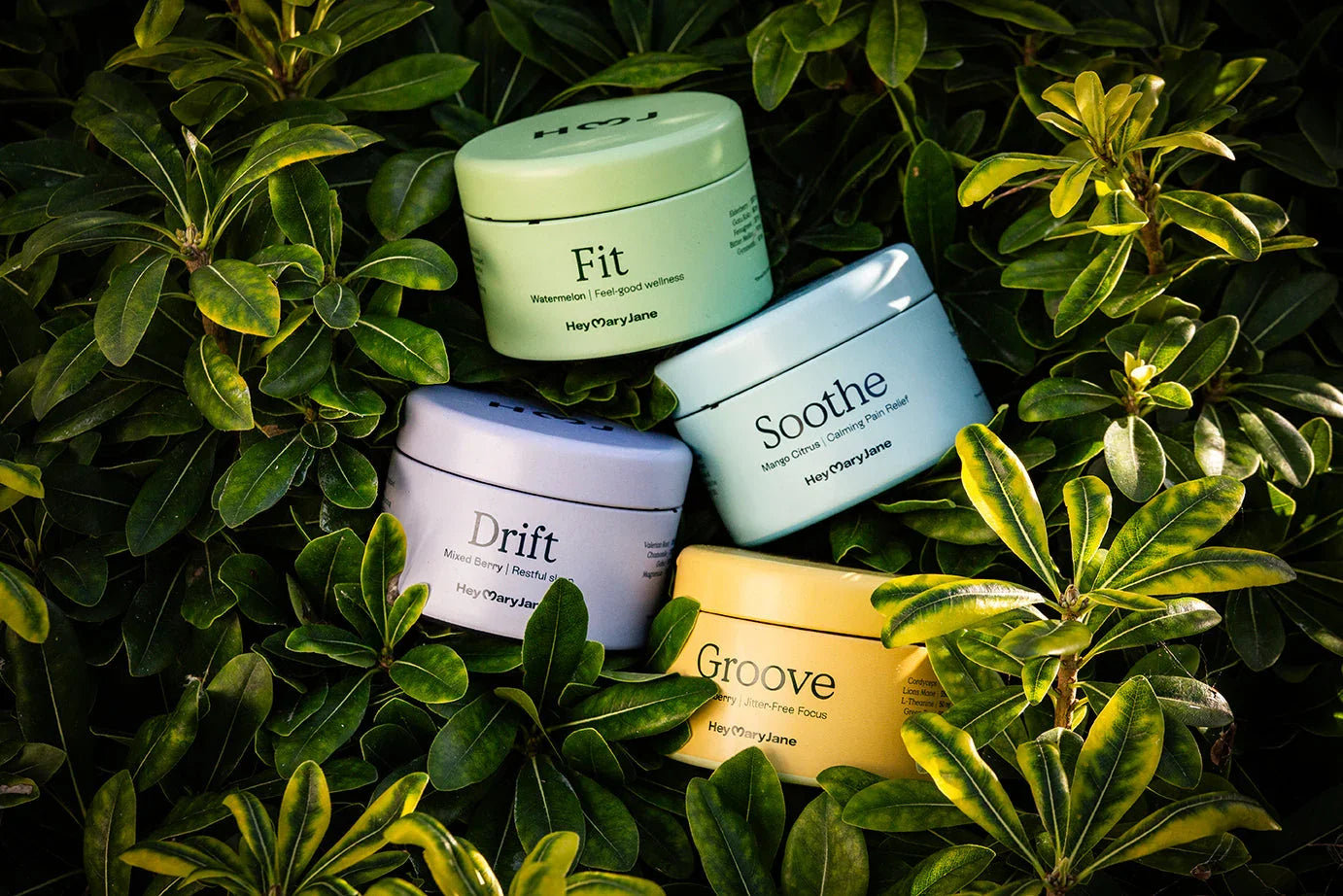
If you’re someone who struggles with the kind of sleep disruption that comes with chronic illness, hormonal shifts, or stress spirals, CBN might be the nervous-system support you’ve been looking for. Products like Drift combine CBN with other botanicals specifically designed to support nighttime regulation without forcing your system into submission.
Chill Without The Couch Lock
Here's the thing about CBN: it helps you unwind without zoning you out.
If you've ever tried THC and felt too heavy, too foggy, or too locked into the couch to function, CBN is a completely different vibe. It eases tension and quiets mental noise while keeping your head clear. You can still have a conversation, finish a task, or wind down with a book without feeling like you're moving through molasses.
What this feels like: You've had a long day. Your shoulders are up around your ears, your mind is still running through tomorrow's to-do list, and you just want to stop. You take CBN, and within 30-60 minutes, you notice the tightness in your chest loosening. Your thoughts don't disappear—they just stop screaming at you. You're present, grounded, and finally able to exhale.
This makes CBN particularly useful for evening wind-down rituals or any time you need to shift gears without losing functionality.

Gentle Relief When Your Body Feels Off
While research is still emerging, anecdotal reports and early studies suggest that CBN may offer subtle relief from physical discomfort—especially the kind that shows up after intense workouts, long days on your feet, or chronic inflammatory conditions. CBN is being explored for its role in pain management, with particular interest in its potential to alleviate chronic pain, such as neuropathic and fibromyalgia pain, especially in older adults and those with inflammatory conditions.
A 2019 preclinical study in Pharmacology & Therapeutics found that CBN demonstrated anti-inflammatory properties in animal models, particularly in reducing inflammation-related pain. While human clinical trials are still limited, many users report incorporating CBN into their recovery routines for post-workout soreness, tension headaches, or the low-grade achiness that comes with autoimmune flares. Research also suggests that CBD and CBN may work together to enhance pain relief, offering a synergistic effect for those seeking natural options for pain management.
Emerging studies indicate that cannabinol inhibits cellular proliferation, particularly in cancer cells, highlighting its potential as an anti-cancer agent. Concentrated CBN products, such as oils and tinctures, are available for those seeking targeted relief and higher potency for medicinal or commercial purposes.
What this feels like: Your body doesn’t feel broken anymore—it just feels less loud. The dull ache in your lower back softens. The tension across your shoulders releases. It’s not about numbing the sensation; it’s about taking the edge off so your body can actually rest and repair.
If you’re dealing with physical tension that builds throughout the day, combining CBN with other nervous-system tools (like Soothe, which supports stress response and physical ease) can create a more comprehensive approach to daily balance.
Mood Support You Can Feel
CBN's calming presence isn't just physical—it's emotional, too.
While CBD is often praised for its broader wellness benefits, CBN seems to shine specifically in moments when your nervous system is running too hot. It doesn't force positivity or numb you out; it just smooths out the mental static so you can think more clearly and feel more grounded.
Research published in Neurotherapeutics suggests that cannabinoids may influence serotonin signaling and GABAergic pathways—both of which play key roles in mood regulation and anxiety response. While CBN's exact mechanisms are still being studied, user reports consistently describe a sense of mental ease and emotional leveling.
What this feels like: The mental loop you've been stuck in for hours finally quiets down. You're not suddenly happy or high—you're just… okay. Steady. Like someone turned down the volume on your internal monologue just enough to let you breathe.
How CBN Feels vs. CBD Or THC
If you’re already familiar with CBD or THC, you’re probably wondering how CBN compares. Medical cannabis patients, in particular, may benefit from understanding the differences between CBN, CBD, and THC to make informed choices about their treatment options. For authoritative information on cannabinoid use, the Utah Department of Health and Human Services provides valuable guidance. Here’s the breakdown:
CBN vs. CBD
Both CBN and CBD are non-intoxicating, but they show up in your body differently.
CBD is like the generalist—it supports broad-spectrum balance across mood, inflammation, stress response, and immune function. It's versatile, gentle, and works well for daytime use.
CBN, on the other hand, is more of a specialist. It leans sedating and body-focused, making it ideal for nighttime use or moments when you need deep physical relaxation. While CBD helps you stay balanced throughout the day, CBN helps you wind down at the end of it.
The vibe:
CBD = steady, grounded, functional
CBN = soft, sedating, restorative
CBN vs. THC
This is where things get interesting.
THC is the cannabinoid that alters your mind—it changes perception, amplifies sensory experience, and can create anything from euphoria to anxiety depending on dose and individual sensitivity.
CBN keeps you clear-headed but physically relaxed. It's like THC decided to skip the party and just help you get a good night's sleep instead. You get the body ease without the mental haze, the relaxation without the paranoia, and the nervous-system support without the high.
The vibe:
THC = psychoactive, mind-altering, dose-dependent
CBN = body-based, clear-headed, gently sedating
Which One's Right For You?
It depends on what you're looking for:
- Need daily balance and broad wellness support? → CBD
- Want deep sleep and physical relaxation? → CBN
- Looking for pain relief with a psychoactive component? → THC (in legal markets)
- Want layered support across multiple systems? → Combine them
Many people find that stacking cannabinoids (CBD + CBN, or micro-dose THC + CBN) creates more tailored effects. But everyone's endocannabinoid system is different, so what works for your best friend might not work for you. Start low, go slow, and pay attention to how your body responds.

Final Thoughts
CBN isn't a magic bullet—nothing is. But it is a powerful tool for anyone whose nervous system needs support getting back to baseline.
If you're tired of lying awake replaying the day, if your body feels like it's been holding tension for years, if melatonin leaves you groggy or sleep meds make you feel disconnected from yourself, CBN might be worth exploring.
The beauty of this cannabinoid is its subtlety. It doesn't force anything. It just creates space for your body to do what it already knows how to do: rest, recover, and recalibrate.
Tiny dose. Big shift. Rooted in nature, backed by science.
Start with a low dose (2.5-5mg), give it time to work with your system, and tune into what you notice. Your body will tell you what it needs.
Frequently Asked Questions About What CBN Is
Is CBN the same as CBD?
Nope—they're cannabinoid cousins, not twins. Both are non-intoxicating, but they come from different sources and have different effects. CBD is extracted directly from hemp and supports broad-spectrum wellness (mood, inflammation, stress). CBN forms when THC ages and oxidizes—it's more sedating, more body-focused, and better suited for sleep and deep relaxation. Think of CBD as your all-day ally and CBN as your nighttime support.
Will CBN get me high?
Not in any traditional sense. CBN is technically mildly psychoactive, but at typical doses (2.5-10mg), most people don't experience any mental alteration. You won't feel foggy, euphoric, or out of it. What you will feel is physically relaxed and mentally settled—like your nervous system finally got the memo to chill. If you take a very high dose, you might notice a slight drowsiness, but nothing that resembles a THC high.
Can I take CBN during the day?
You can, but most people prefer it at night. CBN's sedative effects make it ideal for evening wind-down or moments when you need deep rest. That said, some people use very low doses (1-2mg) during the day to take the edge off stress without feeling sleepy. If you're curious about daytime use, start small and see how your body responds—everyone's endocannabinoid system is different.
How long does it take for CBN to kick in?
It depends on the format and your individual body chemistry. Gummies or capsules typically take 45-90 minutes to kick in because they have to move through your digestive system first. Tinctures or oils taken sublingually (under the tongue) work faster—usually 15-30 minutes. Vaping or smoking (if legal in your area) offers the fastest onset at 5-10 minutes. Your metabolism, what you've eaten, and your tolerance to cannabinoids will all influence timing.
What does CBN feel like?
Imagine the feeling of finally exhaling after holding your breath all day. That's CBN. It's not a dramatic shift—it's subtle, grounded, and deeply calming. Your body softens. Your thoughts slow down. The tension you've been carrying in your shoulders, your jaw, your chest—it starts to release. You're not knocked out or foggy; you're just… settled. Cozy. Ready to let go. It's the kind of feeling that makes sleep feel possible again.
Is CBN legal where I live?
In the U.S., CBN derived from hemp (containing less than 0.3% THC) is federally legal under the 2018 Farm Bill. However, state laws vary, so it's worth checking your local regulations. In many countries outside the U.S., cannabinoid legality is still evolving. If you're unsure, look for third-party lab-tested products from reputable brands and verify your local laws before purchasing.
What's the best way to try CBN for the first time?
Start low and go slow. If you're new to cannabinoids, try 2.5-5mg of CBN about an hour before bed. Choose a product from a brand that provides third-party lab testing (so you know exactly what's in it) and uses clean, functional ingredients. Pay attention to how you feel the next morning—do you wake up groggy, or rested? Adjust your dose from there. Quality matters more than hype, so look for transparency, sourcing, and real customer reviews.
Can I mix CBN with other cannabinoids like CBD or THC?
Absolutely. In fact, many people find that combining cannabinoids creates more tailored effects—a phenomenon known as the "entourage effect." CBN + CBD can offer balanced nervous-system support with deeper sleep benefits. CBN + low-dose THC may enhance relaxation and pain relief (in legal markets). That said, everyone's body responds differently, so start with single cannabinoids first to understand how each one affects you, then experiment with combinations if you're curious.
How is CBN made?
CBN forms naturally when THC ages and oxidizes. When cannabis is exposed to light, air, or heat over time, THC molecules slowly convert into CBN—no lab wizardry required. However, commercial CBN products are often made by intentionally aging THC-rich cannabis extracts in controlled environments to speed up the process. Some manufacturers also use biosynthesis or chemical conversion methods, but the most common approach is still good old-fashioned oxidation. Look for brands that are transparent about their extraction and sourcing methods.
Does CBN show up on a drug test?
It's unlikely, but not impossible. Most standard drug tests screen for THC metabolites, not CBN. However, many CBN products contain trace amounts of THC (under 0.3% in hemp-derived products), which could trigger a positive result if you're using high doses regularly. If you're subject to drug testing for work or other reasons, look for isolate-based CBN products (which contain zero THC) or avoid cannabinoids altogether. When in doubt, check with your employer or testing agency.
Jaime Alefosio BCEHC
Jaime is a seasoned entrepreneur, wellness advocate, and passionate educator, now contributing as an author and blogger for HeyMaryJane.com . With more than two decades of expertise in cannabis and hemp research, use, and advocacy. Her extensive knowledge stems not only from rigorous personal research but also from hands-on experience as the owner of multiple licensed cannabis facilities in California.
In addition to her entrepreneurial achievements, Jaime has recently earned the prestigious certification of Board-Certified Exponential Health Coach. This credential reflects her dedication to empowering others to achieve optimal health through integrative and holistic approaches. She is currently pursuing her PhD in Natural Medicine, further deepening her expertise in cutting-edge wellness solutions.
Jaime's blogs on HeyMaryJane.com are informed by her unique blend of scientific rigor, personal experience, and an unwavering commitment to helping others. Her writings provide valuable insights into the transformative power of full-spectrum hemp products, adaptogens, and nootropics, showcasing her deep understanding of natural remedies and their potential to balance the body and enhance well-being.
As a trusted voice in the wellness community, Jaime is committed to delivering educational, authentic, and impactful content that underscores Hey Mary Jane's mission of providing clean, effective alternatives to pharmaceuticals.
Sources:
- Russo EB. "The Case for the Entourage Effect and Conventional Breeding of Clinical Cannabis: No 'Strain,' No Gain." Frontiers in Plant Science. 2019;9:1969. https://www.frontiersin.org/articles/10.3389/fpls.2018.01969/full
- Maayah ZH, et al. "The molecular mechanisms that underpin the biological benefits of full-spectrum cannabis extract in the treatment of neuropathic pain and inflammation." Biochimica et Biophysica Acta (BBA) - Molecular Basis of Disease. 2020;1866(7):165771.
- Babson KA, Sottile J, Morabito D. "Cannabis, Cannabinoids, and Sleep: a Review of the Literature." Current Psychiatry Reports. 2017;19(4):23. https://link.springer.com/article/10.1007/s11920-017-0775-9
- Corroon J, Mischley L, Sexton M. "Cannabis as a substitute for prescription drugs – a cross-sectional study." Journal of Pain Research. 2017;10:989-998. https://www.ncbi.nlm.nih.gov/pmc/articles/PMC5436334/
- Wong H, Cairns BE. "Cannabidiol, cannabinol and their combinations act as peripheral analgesics in a rat model of myofascial pain." Archives of Oral Biology. 2019;104:33-39. https://pubmed.ncbi.nlm.nih.gov/30981084/
- Blessing EM, Steenkamp MM, Manzanares J, Marmar CR. "Cannabidiol as a Potential Treatment for Anxiety Disorders." Neurotherapeutics. 2015;12(4):825-836. https://www.ncbi.nlm.nih.gov/pmc/articles/PMC4604171/
- Zou S, Kumar U. "Cannabinoid Receptors and the Endocannabinoid System: Signaling and Function in the Central Nervous System." International Journal of Molecular Sciences. 2018;19(3):833. https://www.mdpi.com/1422-0067/19/3/833
- Russo EB. "Taming THC: potential cannabis synergy and phytocannabinoid-terpenoid entourage effects." British Journal of Pharmacology. 2011;163(7):1344-1364. https://www.ncbi.nlm.nih.gov/pmc/articles/PMC3165946/
- Shannon S, Lewis N, Lee H, Hughes S. "Cannabidiol in Anxiety and Sleep: A Large Case Series." The Permanente Journal. 2019;23:18-041. https://www.ncbi.nlm.nih.gov/pmc/articles/PMC6326553/
- National Center for Complementary and Integrative Health. "Cannabis (Marijuana) and Cannabinoids: What You Need To Know." National Institutes of Health. Updated 2021. https://www.nccih.nih.gov/health/cannabis-marijuana-and-cannabinoids-what-you-need-to-know
